
Blogs
5 Innovative School Practices Supporting Sustainability and SDG Alignment
5 Innovative School Practices Supporting Sustainability and SDG Alignment
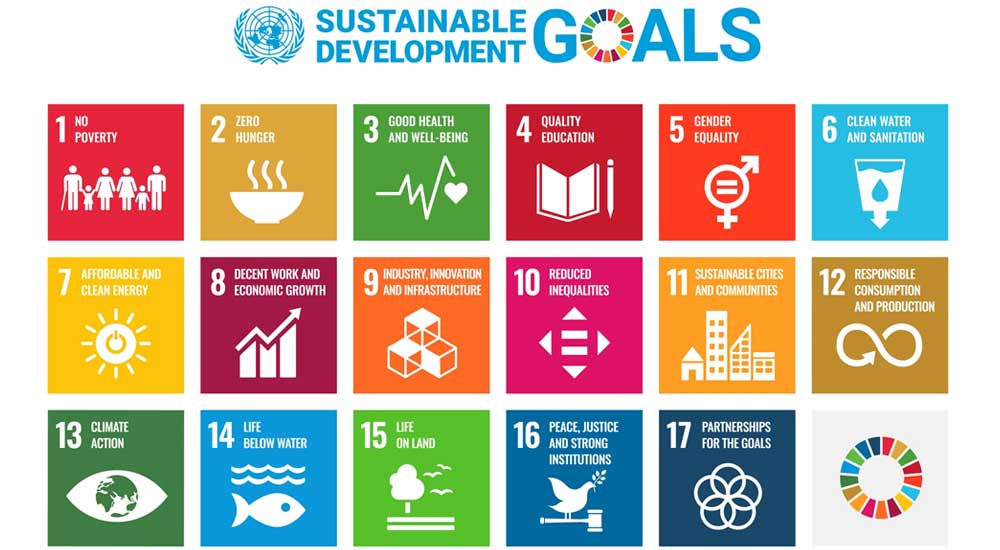
With a focus on sustainability, education has once again become top of mind. The responsibility of creating a sustainable future has been placed firmly upon educational institutions. And with a blueprint of sustainable solutions offered through the United Nations' 17 Sustainable Development Goals, there is a clear way forward to a better world by 2030.
Now, there is a realization that many schools are key players in this game. Schools and innovative educational institutions are not only moving from 'delivery of knowledge' lectures to embedding goals of 'sustainability' within their curriculum and culture. Additionally, students are increasingly prepared for future challenges while also identifying the ways to be active change agents in their own right.
Education that weaves the Sustainable Development Goals into its framework is a critical step towards establishing an empowered generation of informed, responsible global citizens. In the following article, we will highlight five innovative school practices that are aligning their educational mission with the Sustainable Development Goals.
It's important to note that while a school's commitment to the sustainable development goals may first appear to be an idea, it is quite the opposite... a plain, practical plan!
1. Experiential Learning and Community Projects
One of the key ways the schools engage students with the Sustainable Development Goals is through experiential learning of the SDGs. The approach is to shift learning outside the classroom walls, allowing students to directly engage with real-world issues. For example, a project on SDG 6 (Clean Water and Sanitation) might involve students conducting water quality tests in a local river and then developing a campaign to raise awareness about pollution.
A study by the University of Jordan found that integrating the 17 SDGs into the curriculum positively impacts students' awareness and influences sustainable behaviors.
2. The Whole-School Sustainability Approach
True integration of the Sustainable Development Goals requires a whole-school sustainability approach. This goes beyond a single class or project, weaving sustainability into all aspects of school life, from operations to curriculum and culture.
Source: MDPI Sustainability Journal
By modeling sustainable practices, schools create a living laboratory where students can witness and participate in eco-friendly behaviors firsthand. This holistic approach helps instill a sustainable mindset in students, making it a natural part of their daily lives. A successful whole-school sustainability approach transforms schools into active agents of change.
3. The Eco-Schools Programme and Student Leadership
The Eco-Schools program is an internationally recognized model that provides a framework for schools in implementing sustainability.
According to a review of Eco-Schools in three African countries, the program fostered higher academic attainment and improved retention rates. Providing students with a voice and agency within decision-making processes, schools are creating environmental advocates and equipping students with valuable leadership, teamwork, and critical thinking skills in the process. The Eco-Schools program presents a valuable example of how student-led opportunities can generate significant change in alignment with sustainable development goals.
4. Interdisciplinary Approach to Sustainability Education
To successfully engage with the interconnectedness of the Sustainable Development Goals, schools are looking to implement an interdisciplinary approach to sustainability education. This approach helps dismantle the subject silos that exist within school systems and promotes collaboration between teachers from different subjects, typically disconnected from sustainability.
For example, a project on SDG 13 (Climate Action) could result in a science teacher discussing the climate crisis, a social studies teacher discussing the impacts of the climate crisis on communities globally, and an art teacher helping students express their learning through their own artistic expression.
5. Project-Based SDG Education and Digital Tools
Project-based SDG education uses technology and hands-on projects to provide a deep, long-term learning experience for the student. Schools are utilizing digital tools and platforms to allow students to research global issues, connect with peers from other regions, and share their findings with a global audience.
As an example, a student group might carry out a data visualization project as it relates to SDG 14 (Life Below Water) by tracking plastic pollution in their local waterways. This type of learning supports the development of critical thinking and digital literacy skills while making the Sustainable Development Goals more relevant and impactful for the students.
According to a UN report, significant advances have been made in terms of boosting school enrolment rates all over the world; this report also identified that SDG education has been influential in developing young women's and men's capabilities as agents of sustainable change.
Conclusion
The embedding of the Sustainable Development Goals in school practices is an exciting sign of a fundamental new purpose for education. The five innovative approaches—from experiential hands-on learning and the Eco-Schools programme to a whole-school sustainability approach and digital project-based education—are demonstrating that schools are and can be powerful agents for change. Through an SDG education, young people will be empowered with the knowledge, skills, and values needed to tackle it.
The ongoing challenge is to scale these innovations so that every student, everywhere, has the opportunity to become an informed and engaged global citizen. The commitment to the Sustainable Development Goals is transforming education for the better, promising a future where learning is not just about personal achievement but about collective, global progress.
FAQs
Q1: What is a whole-school sustainability approach?
A whole-school sustainability approach involves integrating the sustainable development goals into all aspects of school life, including curriculum, operations (like waste and energy management), and school culture, to create a consistent and living example of sustainable living.
Q2: How does Eco-Schools work?
Eco-Schools provides a framework for student-led committees to assess their school's environmental impact, develop an action plan, and carry out projects to reduce that impact, promote student leadership, and promote ownership of sustainability initiatives.
Q3: What is the primary benefit of interdisciplinary sustainability education?
An interdisciplinary sustainability education allows students to recognize how sustainable development goals are interrelated from multiple subject perspectives. This promotes critical thinking while supporting students' understanding of global issues holistically.
Q4: How is project-based SDG education beneficial to students?
Project-based SDG education enables students to engage with the sustainable development goals through doing, and students will develop practical skills while increasing their engagement, empathy, and sense of empowerment.
Q5: What is the value of experiential learning in SDG education?
Experiential learning SDGs provide outlets for students to learn by doing. When students engage in community projects or real-world scenarios to problem solve, they can relate to, understand, and realize the impact they have on improving the planet through their actions towards sustainable development goals.
Categories
| Importance of childhood education |
Latest Blogs
| How CSET Helps Students Become Future Tech Leaders |
| 5 Questions Parents Should Ask Before Choosing the Best School in Noida |
| Why Sustainability Education is Essential in Schools Today |
| 7 Ways to Prepare Your Child for Pre-Primary School |
| The Importance of Parental Involvement in School Education |
| How Play-Based Learning Enhances Brain Development in Young Children |
| How Concept-Based Learning Is Replacing Rote Memorization in Schools |
| Step-by-Step Process for Securing Admission in Jaypee Noida |
| How Students Can Help Reduce Plastic Waste at Home and School |
| 5 Innovative School Practices Supporting Sustainability and SDG Alignment |