
Blogs
How Students Can Help Reduce Plastic Waste at Home and School
How Students Can Help Reduce Plastic Waste at Home and School
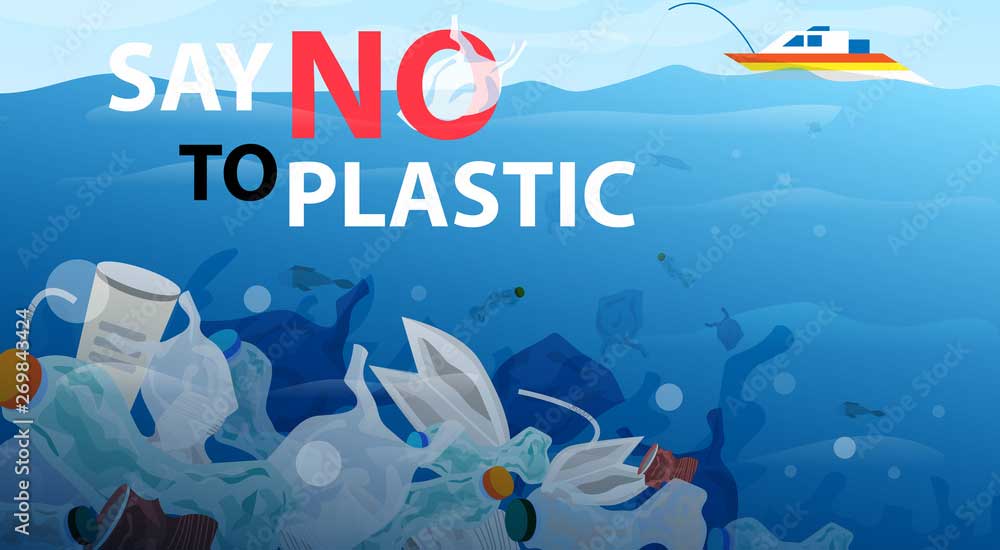
Plastic pollution is a concerning issue that seriously impacts our environment and health. If you’re roaming around the neighbourhood near your home or at a local park, you may see some plastic pollution along the way. A study shows that around 350 million tonnes of plastic waste is produced throughout the world each year, and thirty-two per cent of the plastics produced each year flow into the ocean. If everything remains the same, it is estimated that by 2050, there will be more plastic in the ocean than fish. Thus, to reduce plastic waste, we can educate ourselves as well as future generations, which can have a significant impact.
Teaching our next generations to be environmentally sensitive is important for the health of the world these days, when plastic is everywhere. A part of this effort includes educating the students about the significance of cutting down the consumption of plastics. This blog highlights how we can teach students to use less plastic for the betterment of the environment.
What is the importance of a Plastic-free School and Home?
In recent days, to educate students about the negative impacts of single-use plastics, we need to set up a plastic-free zone in the home as well as in the school. This is because the plastic-free schools and houses are vital in creating a sustainable environment and implementing eco-conscious values among students.
Instilling a plastic-free policy includes the implementation of clear guidelines and rules, which promote the cut down, recycle, and reuse of plastics within the school as well as house premises. Schools can include initiatives such as banning single-use plastic products, such as bottles and straws, promoting the use of reusable alternatives, and offering recycling bins in the entire school premises to reduce plastic waste.
Students’ Role in Reducing Plastic Waste in School and Home
Avoid Single-Use Plastics
Single-use plastics are a large contributor to plastic pollution throughout the globe. These are the plastic products which are used only once or a few times before they are discarded, such as plastic bottles, plastic bags, straws and wrappers. They have a huge negative externality on the environment, and their production and disposal lead to climate change. Instead of these plastic products, encourage the use of reusable alternatives such as stainless steel or bamboo products, which promote sustainability and a positive impact on the environment. By including these alternative products in our daily lives, children will learn to reduce plastic waste to preserve our environment.
Choose Sustainable Packaging
During shopping, prioritize products with minimal and eco-friendly packaging. Try to shop from zero-waste stores and buy food items in glass jars or reusable containers. Students should look for brands which are committed to adopting different ways to cut down plastic waste in packaging. This will lead to a cut down in plastic consumption and support sustainable and recyclable packaging.

Invest in Reusable Alternatives
Say no to disposable plastic bags and containers by investing in reusable containers or bottles. Avoid using packaged drinking water; instead, carry a reusable water bottle made of steel or glass. Also, use stainless steel or glass containers for food, which offer a safe and environmentally friendly way to pack meals for school. This will set a pattern of sustainability in the daily life of the student.
Start Recycling
Students should familiarize themselves with local recycling guidelines because plastic recycling is not possible in all areas. Students should learn how to clean the recyclables before disposing of them to ensure there will not be any contamination of other materials. Also, use a separate bin for organic waste to reduce overall plastic waste.
Awareness about Plastic Pollution
Circulate the knowledge about the pollution caused by plastics and the impact of single-use plastics with family, friends and community. Participate in educational activities about the cut down of plastic consumption to spread awareness and inspire others to avoid single-use plastics. Students can arrange a plastic-free lunch day in school where everyone will bring their lunch in reusable containers or select plastic-free options.
Take Part in International and Local Campaigns
Students can join in various international initiatives, including Plastic Free July, where they promise to stop using single-use plastic for a month. Also, they can create sustainability committees in schools to invent and implement ideas to reduce plastic waste. Apart from this, participating in local cleaning-up events or organizing such events helps to develop a sense of responsibility and inspire others to participate in the movement.
Participate in DIY Crafts
Students can take part in DIY crafts to transform plastic waste into fun and educational projects. This is one of the most creative ways to reduce plastic waste. This practical experience not only reduces the negative externalities of the environment but also motivates creativity among students. Also, it offers an actual way to understand the potential of reusing materials.
Ditch Microbeads
One of the most important ways to reduce plastic pollution is to avoid microbeads. Students can work with the sustainability committees of schools or environmental clubs to promote microbead-free products. Students can also raise awareness about the negative impact of microbeads by using posters, newsletters and social media campaigns.
Conclusion
The journey of the students to reduce the use of plastics and discover ways to reduce plastic consumption is not just a checklist anymore. It’s now a holistic approach to establish a sense of responsibility, concern, and empathy towards the environment. By adopting recyclable and reusable items, organizing cleanliness drives, and raising awareness, students can become the strongest agents of change both at home and in school. Their activities not only save the environment but also motivate others to follow this awareness. Thus, by establishing sustainable habits, students can lead a movement toward a clean, green, and plastic-free planet.
FAQs
How can the students help in decreasing plastic pollution?
One of the best ways to overcome plastic pollution is by cutting down on the use of single-use plastics. Items such as plastic carry bags, disposable cutlery, plastic straws, and cup lids are often responsible for environmental hazards. Students can switch to reusable alternatives, including paper bags, tote bags, paper cups, etc, to reduce pollution.
What are the other steps to reduce plastic pollution?
Try to avoid products made of microbeads. Instead, use products with natural exfoliants. Also, choose cotton clothes to decrease the amount of microplastics in the environment.
How can plastic use be reduced in schools?
Students should be encouraged to participate in various initiatives like Plastic Free July, adoption of reusable cutlery, plates and cups in school canteens and other campaigns.
What are the basic actions one can take to reduce plastic pollution?
An individual can refuse to buy bottled water and instead carry a steel or glass water bottle. Also, choose products with sustainable packaging and avoid using plastic food containers.
Categories
| Importance of childhood education |
Latest Blogs
| How CSET Helps Students Become Future Tech Leaders |
| 5 Questions Parents Should Ask Before Choosing the Best School in Noida |
| Why Sustainability Education is Essential in Schools Today |
| 7 Ways to Prepare Your Child for Pre-Primary School |
| The Importance of Parental Involvement in School Education |
| How Play-Based Learning Enhances Brain Development in Young Children |
| How Concept-Based Learning Is Replacing Rote Memorization in Schools |
| Step-by-Step Process for Securing Admission in Jaypee Noida |
| How Students Can Help Reduce Plastic Waste at Home and School |
| 5 Innovative School Practices Supporting Sustainability and SDG Alignment |