
Blogs
The Role of Sports Activities in Schools in Enhancing Student Well-being and Academic Performance
The Role of Sports Activities in Schools in Enhancing Student Well-being and Academic Performance
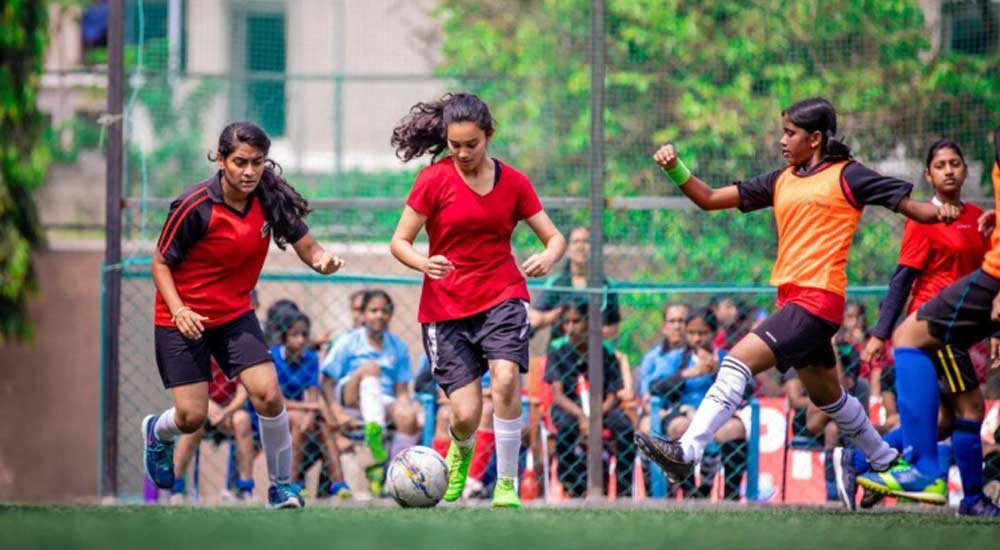
When the school bell rings, many students find their real lessons on the sports field. Sports activities in schools like basketball, soccer, and swimming are more than just fun; they boost health, strength, and academic performance. These activities play a major role in the holistic development of a child, combining physical, emotional, and mental well-being.
A study found that kids who played on one, two, or three or more sports teams were 1.48, 2.34, and 2.72 times more likely to achieve higher academic performance.
Importance of Sports in Student’s Life
Sports do much more in schools than give students a break from their books. One important thing about sports activities in school is that they can help students grow into well-rounded people who can do well in and out of the classroom. Listed below are the importance of sports in school.
1. Health Benefits from Physical Activity
Improving physical health is one of the immediate benefits of sports activities in schools. As kids spend more time on devices and are less active, school sports are essential for getting them active. When it comes to improving cardiovascular health, increasing muscle strength, and assisting students in maintaining a healthy weight, the importance of physical education cannot be overstated.
Pro Tip: According to the World Health Organization, children and teens should do at least 60 minutes of moderate to vigorous physical exercise every day. Children can reach this physical goal and have fun doing it by playing sports.
2. Mental Health and Resilience
Strong arguments exist for the mental and social benefits of sports activities in schools. Exercise helps the brain release endorphins, which are chemical components that make one feel happier and improve mood. Emotional health makes it easier for students to deal with stress, meet academic standards, and handle personal problems.
Pro Tip: Research from the University of British Columbia found that students who played sports felt better about their self-esteem, slept better, and focused more on their schoolwork. These results show how important sports are for students, not only for their bodies but also for their minds.
3. Developing Social Skills and Teamwork
Besides being good for your child’s health and mental health, sports activities for students also help kids grow socially. Team sports help kids learn essential social skills like communicating, working together, and being a leader. Students learn how to get along with others, settle disagreements, and work toward a common goal.
Pro Tip: According to a study in the Journal of School Health, students who participate in team sports tend to have stronger social networks and are likelier to make lasting friends. This fits in well with the overall goal of co curricular activities in school, which is to develop well-rounded individuals who are academically, socially, and emotionally skilled.
4. Life Lessons Outside the Classroom
Students learn many essential life skills through sports that will help them succeed in the long run. Some of these are discipline, making goals, managing time, and being strong. Kids learn how to deal with success and failure gracefully when they play sports; these skills are just as necessary in adult life as in school.
Pro Tip: Sports in school are important because they teach kids to keep going even when things get hard. Students get mentally tough and determined when they push through challenging situations in a game or practice session. These qualities can be used in school, where persistence is essential for learning complex ideas and preparing for tests, highlighting the importance of sports in school.
5. Academic Benefits of School Sports
Students who play sports often do better in school, which goes against the old idea that sports take time away from schoolwork. The Centers for Disease Control and Prevention (CDC) have pointed out that kids who play sports tend to get better grades, attend school more often, and have a higher chance of graduating.
Pro Tip: Studies show that children involved in sports-related skills have better time management, focus, and cognitive function. This clearly shows the importance of sports in education, where a whole-person approach to student growth is more successful than just research.
6. Enhancing Sports Inclusivity
Inclusion must come first if school sports are to help everyone fully. Every student should be able to join sports classes, no matter what their background is or how good they are at sports. Students can find an activity that fits their interests and abilities if you offer a range of choices, such as traditional team sports and individual activities like swimming or track.
Pro Tip: Adaptive sports classes are also essential for students who have physical or developmental problems. This open-minded approach shows how essential school sports are to get better grades or health and build community, equality, and respect among students.
7. Future Success Step
Many successful people say that playing sports in school helped them get where they are today. Whether becoming a better leader or learning to deal with losses, the skills you learn in sports often apply directly to your personal and professional life. For example, a lot of successful individuals played sports when they were in school. Their experiences show a larger trend that stresses the importance of sports in students' lives.
Pro Tip: Starting to play sports early can help make future workers, leaders, and innovators more confident, disciplined, and goal-oriented.
Conclusion
The importance of sports in education is that they help students develop into well-rounded people who can do well in and out of the classroom. Sports activities in schools are not just an extra; they're a vital part of a well-rounded, complete education. Schools should continue sponsoring and promoting inclusive, diversified, and well-organized sports programs to meet today's children's many demands.
FAQs
1. Do sports boost academic performance?
They help you concentrate, handle your time better, and stay motivated, all of which lead to better results in school.
2. Why should schools prioritize inclusivity in sports?
Inclusivity ensures that all students, no matter their background or skill level, can enjoy the health benefits of exercise.
3. Can school sports teach life skills?
They learn skills like self-control, working together, persistence, and time management, which are essential for success in life and work.
Categories
| Importance of childhood education |
Latest Blogs
| How CSET Helps Students Become Future Tech Leaders |
| 5 Questions Parents Should Ask Before Choosing the Best School in Noida |
| Why Sustainability Education is Essential in Schools Today |
| 7 Ways to Prepare Your Child for Pre-Primary School |
| The Importance of Parental Involvement in School Education |
| How Play-Based Learning Enhances Brain Development in Young Children |
| How Concept-Based Learning Is Replacing Rote Memorization in Schools |
| Step-by-Step Process for Securing Admission in Jaypee Noida |
| How Students Can Help Reduce Plastic Waste at Home and School |
| 5 Innovative School Practices Supporting Sustainability and SDG Alignment |